

What Are VA Non-Allowable Fees & Who Pays Them?
What Are VA Non-Allowable Fees & Who Pays Them?
KEY TAKEAWAYS
- VA non-allowable fees are mortgage closing costs associated with originating your loan that the lender can’t charge you.
- The seller typically pays non-allowable fees, but they can also be paid by the real estate agent or waived by the lender.
- Lenders can charge a flat fee of 1% for closing costs or itemize their fees.

 Written by Bill Lyons


When you take out a home loan, you’re subject to closing costs, which can significantly impact your home-buying budget. However, if you’re purchasing a home using a VA loan, there are rules about allowable and non-allowable fees, which can help lower the costs you’re responsible for.

Non-allowable fees help keep your VA loan closing costs low and can help you save money when taking out a mortgage. Keep reading to learn more about VA loan non-allowable fees, including what they are and who pays them.
What Are VA Non-Allowable Fees?
VA loan non-allowable fees describe certain closing costs that the lender can’t charge VA borrowers at closing. Review this list of VA non-allowable fees to better understand the closing costs you aren’t responsible for:
- Application fees: Many lenders charge application fees as a non-refundable charge, and the costs vary by lender. Typically, these fees cover the costs of processing and underwriting the loan application. However, when you apply for a VA loan, the lender can’t charge you an application fee.
- Escrow fees: With many types of home loans, you’ll pay an escrow fee as part of the closing costs. These fees go directly to a company or attorney who is responsible for distributing funds to those involved in the transaction. Escrow fees are VA non-allowable fees, meaning if you use a VA loan to purchase a home, you won’t pay for escrow fees.
- Rate lock fees: Some lenders charge rate lock fees for you to lock in your interest rate for a set period of time. These fees vary by lender, but most lenders don’t charge them if your lock is for less than 60 days. VA loan borrowers won’t be subject to these fees. Instead, they can lock their rate in without paying for it, helping them save more over the life of the loan.
- Appraisals and inspections: The VA requires that properties meet minimum property requirements (MPRs) in order to be eligible for a VA loan. You’ll pay for the VA appraisal out of pocket. However, the VA prohibits lenders from charging you for additional appraisals or home inspections.
- Notary costs: Notaries often cost money because they have to act as a witness to the signing of various documents while notarizing them. With most loans, borrowers must pay the notary fees out of pocket, and these fees are non-allowable under the VA loan.
- Lawyer, broker, and trustee fees: Many parties are involved in real estate transactions, not just the buyer, seller, and mortgage lender. Luckily, when you take out a VA loan, you’re not responsible for lawyer, broker, or trustee fees.
VA home loans are backed by the Department of Veterans Affairs (VA) and are designed to make homeownership more affordable for eligible borrowers. While the VA doesn’t provide these loans, they set strict rules for lenders regarding the various fees borrowers are expected to pay at closing.
How Do Non-Allowable VA Fees Work?
The VA has guidelines for the types of fees lenders can charge VA loan borrowers. VA non-allowable fee amounts are determined by the following:
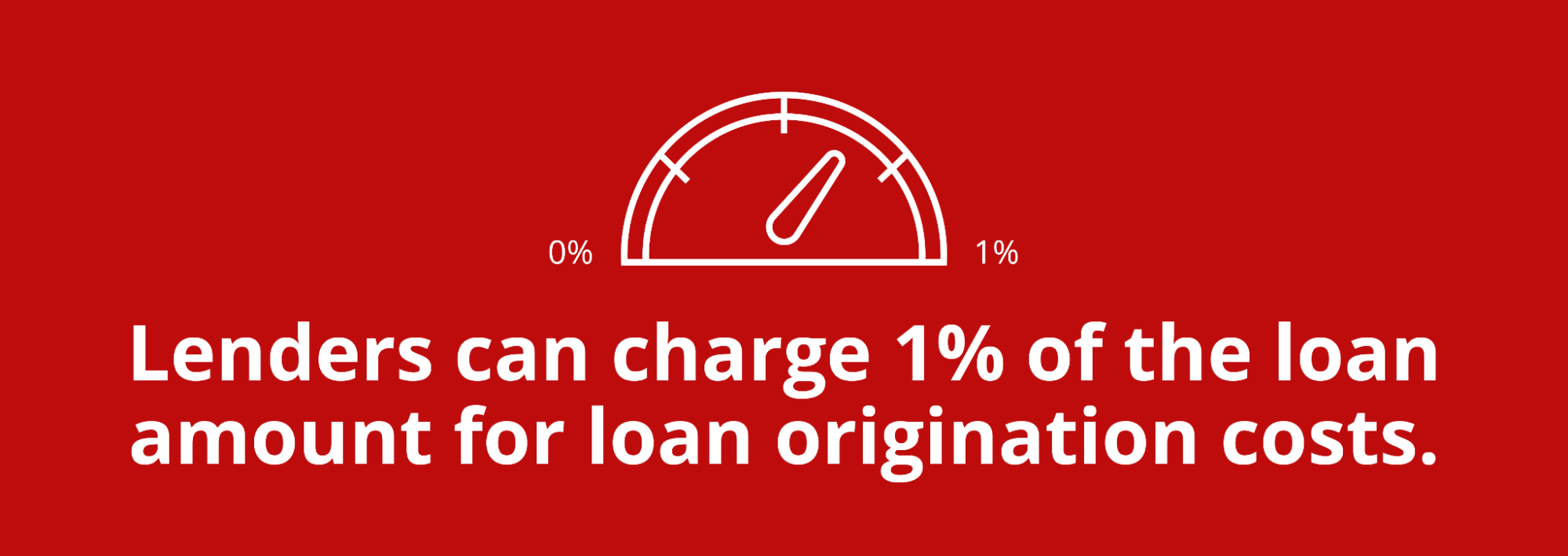
- The 1% rule: Lenders may charge a flat fee of 1% for closing costs, which covers expenses to originate and process the loan. If they charge you this flat fee, you’re not responsible for paying any other non-allowable costs.
- Itemized fees: Lenders may also choose not to charge a 1% fee, in which case they can ask for reasonable amounts for different types of fees. In any case, they must adhere to the VA’s guidelines.
Who Pays Non-Allowable Fees for VA Loans?
The seller typically pays non-allowable VA fees as seller concessions — closing costs the seller agrees to pay to make the home purchase more affordable for the buyer. The total amount the seller pays can’t equal more than 4% of the total loan amount.
If the buyer’s VA non-allowable fees total up to more than 4% of the total loan amount, the lender may be responsible for paying the non-allowable fees. Additionally, the real estate agent may pick up some of the cost, or the lender will waive various fees like attorney or notary fees.

Of course, this makes buying a home slightly more complicated. If you want the seller to pay the non-allowable fees, you’ll have to negotiate with them since they may be willing to accommodate you, but it means increasing their asking price on the home to cover some of their costs.
What is the 1% fee rule?
As we touched on above, the 1% fee rule is the maximum loan origination fee lenders can charge VA loan borrowers. When you close on a home, you typically have to deal with various fees associated with originating and processing the loan.
The 1% fee rule is a flat fee structure designed to cover the lender’s costs and make it easy for borrowers to understand how much they’ll pay at closing.
Another way to think of this rule is that lenders can’t charge you more than 1% of the loan amount in origination fees. Some fees are only allowable when they’re included in the 1% fee rule, such as:
- Rate lock-in fees
- Document preparation fees
- Escrow fees
- Notary fees
- Application and processing fees
As you can see, some non-allowable VA fees discussed earlier are allowed as long as they adhere to the 1% maximum fee rule for VA loans.
Download the Griffin Gold app today!
Take charge of your financial wellness and achieve your homeownership goals
Use invitation code: GRIFGOLD to register.


What Are the Allowable VA Loan Fees?
Allowable VA loan fees are costs a lender can charge VA loan borrowers at closing, but they must include the maximum 1% loan fee.
A few of the most common VA allowable fees include the following:
- Appraisal: As we’ve mentioned, additional appraisals and home inspections ordered by the lender are non-allowable fees. However, the VA requires an appraisal to ensure the property meets the minimum property requirements to ensure it’s safe and sanitary. The VA appraisal fees vary by state, so you can talk to your lender to determine how much it’ll cost.
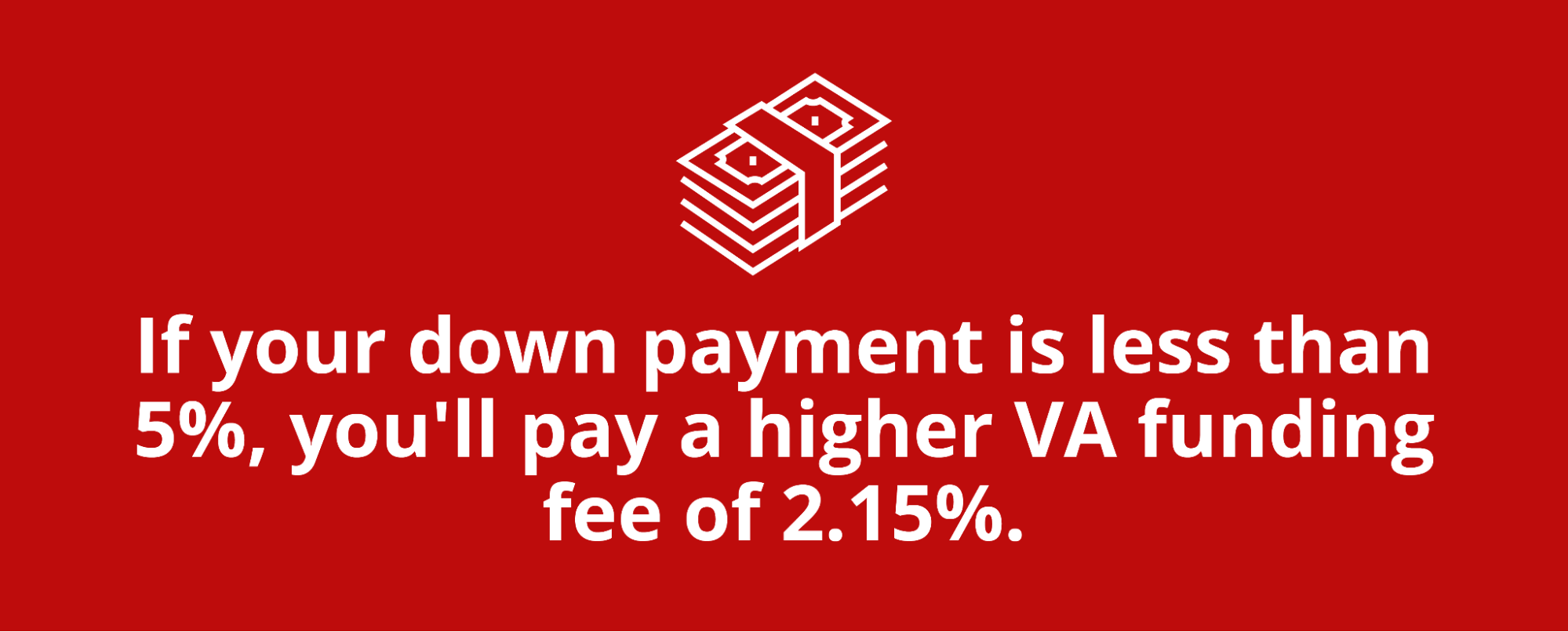
- VA funding fee: The VA funding fee is a one-time payment borrowers must make to support the VA loan program, enabling more eligible borrowers to use their VA loan benefits to avoid a down payment and mortgage insurance while lowering the cost for taxpayers. All borrowers are required to pay the VA funding fee unless they meet certain requirements to have it waived. Additionally, the VA funding fee varies depending on whether you’re a first-time buyer or have used your VA loan benefit in the past. How much you put down, if anything, can also impact how high your funding fee is.
- Credit report fee: The credit report fee is your lender’s charge for pulling your credit report. This fee is typically small because it doesn’t cost lenders too much to order your report.
- Origination fee: The origination fee covers administrative costs, such as underwriting and setting up your loan.
- Homeowners insurance: Most lenders require home insurance to protect their investments. If you pay homeowners insurance through your lender, it’s an allowable fee paid at closing.
- Title insurance: Lenders charge a fee for title insurance, which protects you and the lender against other claims against the property from past liens or unpaid taxes.
How to Minimize Allowable VA Loan Fees
While VA non-allowable fees help lower the cost of buying a home, VA allowable fees can still add up. Here are some strategies for reducing VA allowable fees:
- Compare lenders: Different lenders charge different fees and rates, which is why it’s important to compare VA lenders before buying.
- Consider buying discount points: While buying VA loan points increases the upfront cost at closing, it will reduce your monthly payment and can lower the amount you pay in interest in the long run.
- Roll closing costs into your VA loan: Rolling some VA allowable fees into the loan amount can reduce the amount you pay at closing, with the tradeoff being a higher overall loan amount.
- VA funding fee exemptions: The VA funding fee can pose a significant expense when getting a VA loan, but several exemptions exist. Disabled veterans, surviving spouses, and Purple Heart recipients can potentially get the VA funding fee waived.
- Request seller concessions: With a VA loan, the seller can pay all of the buyer’s mortgage-related closing costs, as well as up to 4% in seller concessions. Seller concessions include fees such as the VA funding fee, homeowners insurance, prepaid property taxes, temporary rate buydowns, and debt repayment.
Apply for a VA Loan with Griffin Funding
VA non-allowable fees protect eligible veterans, active duty service members, and their families from paying high closing costs without reducing the lender’s ability to provide various services related to originating loans.
At Griffin Funding, we offer free tools to help service members and veterans estimate the costs involved with buying a house with a VA loan. Check out our VA loan calculator to see what your mortgage payment could look like with a VA loan, or use our VA loan affordability calculator to estimate how much home you can afford.
Ready to take advantage of your VA loan benefit? Get started online or speak with a Griffin Funding mortgage specialist today by calling 855-698-1230. We can help you understand the closing costs associated with your loan and make the home-buying experience a positive one.
Find the best loan for you. Reach out today!
Get StartedFrequently Asked Questions
What's included in origination and processing fees? 
What do you do if a lender tries to have you pay a non-allowable fee?
Do non-allowable fees apply when you refinance a VA loan?
What are the maximum allowable closing costs on a VA loan?
For buyers, lenders can’t charge a loan origination fee greater than 1% of the loan amount. Overall, buyers’ total closing costs typically range from about 1% to 5% of the loan amount after factoring in other allowable costs. On the seller side, sellers can cover closing costs, but their contribution toward non-allowable fees (like prepaid taxes and insurance) is capped at 4% of the total loan amount.
Other typical closing costs include VA appraisal fees, title insurance, and recording fees, which can vary by location. It's important for buyers to review a detailed loan estimate early in the mortgage process to understand exactly what they’ll owe at closing.
Can a VA home buyer pay their real estate agent’s commission?
While buyers now have this option, it’s still common to negotiate with the seller to cover some or all of the commission fees as part of the purchase agreement. Working with a lender and real estate agent familiar with VA loans can help buyers navigate these new rules smoothly.
Can a lender charge both the 1% flat fee and itemized fees?
Do VA non-allowable fees apply to both purchase and refinance loans?
Are VA non-allowable fees the same in every state?

Bill Lyons is the Founder, CEO & President of Griffin Funding. Founded in 2013, Griffin Funding is a national boutique mortgage lender focusing on delivering 5-star service to its clients. Mr. Lyons has 25 years of experience in the mortgage business. Lyons is seen as an industry leader and expert in real estate finance. Lyons has been featured in Forbes, Inc., Wall Street Journal, HousingWire, and more. As a member of the Mortgage Bankers Association, Lyons is able to keep up with important changes in the industry to deliver the most value to Griffin's clients. Under Lyons' leadership, Griffin Funding has made the Inc. 5000 fastest-growing companies list five times in its 12 years in business. Follow his updates on LinkedIn.
 Outstanding Client Experience
 Specialized Lending Solutions
 Direct-to-Consumer Advantage
 We're Advisors, NOT Salespeople
 Effortless Digital Mortgage Platform
Featured In



Recent Posts
Why vacation rental investors are spending more time on market research before buying
For investors already holding properties or considering new purchases, miscalculating revenue in this environm...

What Is a Homestead Exemption?
Most homeowners pay more property taxes than they have to simply because they never filed a homestead exemptio...
Top Secondary Cities for Real Estate Investors 2026
Major metros like New York, Los Angeles, and San Francisco still dominate the headlines, but savvy real estate...