

What Affects Mortgage Rates?
 Written by Bill Lyons
KEY TAKEAWAYS
- Mortgage rates are determined by economic conditions, Federal Reserve policies, and individual borrower factors.
- Your credit score, down payment amount, assets, and debt-to-income ratio directly influence the mortgage rate you’ll qualify for.
- Market conditions, including inflation and economic growth, play a significant role in how mortgage rates trend over time.
- Shopping around with different lenders and improving your financial profile can help you secure better rates.











 Outstanding Client Experience
 Specialized Lending Solutions
 Direct-to-Consumer Advantage
 We're Advisors, NOT Salespeople
 Effortless Digital Mortgage Platform
When you’re ready to buy a home or refinance your mortgage, looking at current mortgage rates is always a good idea. Unfortunately, mortgage rates can shift quickly, so what you see online might not always be the rate you actually get.
So, what affects mortgage rates? This article will break down exactly how mortgage rates are determined and what makes them go up or down. Understanding these factors and how they impact your rate can help you make good decisions about when to refinance or buy and how to secure the best possible rate for your situation.
KEY TAKEAWAYS
- Mortgage rates are determined by economic conditions, Federal Reserve policies, and individual borrower factors.
- Your credit score, down payment amount, assets, and debt-to-income ratio directly influence the mortgage rate you’ll qualify for.
- Market conditions, including inflation and economic growth, play a significant role in how mortgage rates trend over time.
- Shopping around with different lenders and improving your financial profile can help you secure better rates.
How Are Mortgage Rates Determined?

What determines mortgage rates is a complex interplay of market forces, economic conditions, and individual circumstances. While the daily rate movements might seem random, there’s actually a clear logic behind how these rates are set.
So, how are mortgage interest rates determined? The process combines three core elements:
- The overall economic environment: The economic environment includes factors like inflation, employment rates, and GDP growth — essentially, the economy’s overall health.
- The specific dynamics of the lending market: Factors like lender competition, operational costs, and secondary demand can influence rates in the lending market.
- Your personal financial profile: Your personal financial circumstances, including credit history, down payment amount, savings for reserves, and chosen loan type, can cause your specific rates to go up or down.
It’s important to note that you’ll see both interest rates and APRs quoted when you’re shopping for a mortgage. While they might seem similar, they tell different stories about your loan’s cost. Understanding the difference between your APR vs. interest rate can help you make more accurate comparisons between loan offers and avoid surprises about the true cost of your mortgage.
What Factors Are Mortgage Rates Based On?
Mortgage rates are impacted by both external and personal factors:
External Factors That Affect Mortgage Rates
The broader economic environment sets baseline mortgage rates. Here are some of the external factors that influence how mortgage interest rates are determined:
- Economic growth: The economy’s overall health directly impacts mortgage rates through GDP growth and employment levels. When the economy is growing strongly, rates tend to rise as more people seek loans and have higher incomes. This increased demand for mortgages typically drives rates higher.
- Inflation: Rising inflation typically leads to higher mortgage rates as lenders try to maintain their purchasing power over time. The relationship between inflation and the housing market in terms of mortgage rates is particularly strong because mortgages are long-term loans, making them more vulnerable to inflation’s effects over time.
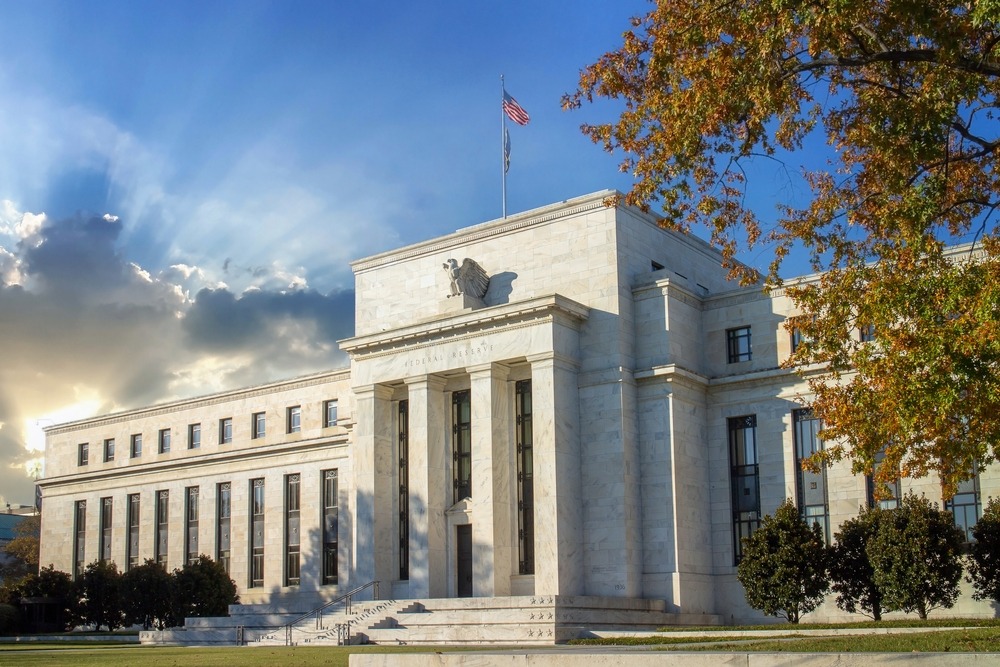
- Federal Reserve policy: When the Federal Reserve adjusts its benchmark federal funds rate, mortgage rates typically move in response. The Fed’s monetary policy decisions are influential because they affect both the cost of funds for lenders and overall economic conditions.
- Financial markets: The bond market, particularly the 10-year Treasury yield, strongly correlates with mortgage rates. Mortgage rates typically follow suit when yields rise, as lenders base their rates partly on these market indicators.
- Government policy: Federal housing policies and lending regulations can dramatically impact mortgage rates. Changes in requirements for government-backed loans, modifications to lending programs, and shifts in housing policy all influence how lenders price their mortgages.
Personal Factors That Affect Mortgage Rates
While external market forces create the overall rate environment, your individual financial situation and loan choices can significantly impact your offered rate:
- Down payment amount: Lenders typically provide better rates to those who can put down 20% or more because it represents less risk.
- Credit score: Higher credit scores typically earn lower rates. Most lenders view scores above 740 as excellent and offer their best rates to these borrowers.
- Loan type: Different loan programs carry varying rate structures based on their level of risk and government backing. Conventional loans often have different rates than FHA loans, USDA loans, or VA loans, while jumbo loans typically carry higher rates due to their size. Comparing an adjustable vs. fixed-rate mortgage, adjustable-rate mortgages (ARMs) start with lower rates than fixed-rate home loans but can change over time, making them a better fit for shorter-term homeownership plans. Non-QM loans range from as low as 1.5 points higher than conventional loans to as high as 4 points higher due to their alternative method of proving income.
- Lender used: Each lender sets their own rates based on their business goals, operating costs, and current capacity. Shopping among multiple lenders can result in significant rate differences for the same loan scenario.
- Loan officer: Most loan officers are compensated a flat percentage based on the size of the loan amount. More experienced loan officers with higher volume may be able to offer lower rates than those who are less experienced with lower volume. Obtaining a loan from a part-time loan officer who is closing less than one loan per month will likely not lead to lower rates.
- DTI ratio: Your debt-to-income ratio helps lenders assess your ability to manage monthly payments. Lower ratios typically qualify for better rates because they indicate you have more room in your budget for mortgage payments.
- Discount points: Buying discount points allows you to “buy down” your interest rate at closing. Each point typically costs 1% of your loan amount and can reduce your mortgage rate by 0.25%, though the exact reduction varies by lender.
- Assets: The amount of reserves you have saved both in liquid and non-liquid assets demonstrates your financial discipline and ability to repay. The more reserves you have, the less risk you are to the lender.
- Property type: The type of property you’re financing affects your rate because different properties carry different levels of risk. Primary residences usually receive the best rates, while investment properties and second homes typically have higher rates due to increased risk.
See What Rate You Qualify for
When it comes to who determines interest rates, there’s no easy answer. A mix of external and personal factors impact the mortgage rate you qualify for.
While you can’t control everything that affects mortgage rates, you can control how prepared you are when you apply. Whether rates are trending up or down, having a solid financial profile and working with the right lender can significantly affect the rate you’re offered.
Ready to explore your options? The team at Griffin Funding is here to help. Take the guesswork out of homebuying with the Griffin Gold app. Instead of wondering what you can afford or if you’re ready to buy, you’ll get a personalized homeownership blueprint based on your unique situation. Compare different buying scenarios, track your progress, and get customized strategies to improve your credit score.
Whether you’re buying your first home or refinancing your mortgage, we’ll walk you through your options and help you find a loan that fits your needs. Apply for a mortgage with Griffin Funding.
Find the best loan for you. Reach out today!
Get StartedFrequently Asked Questions
How often do mortgage rates change? 
Mortgage rates actually change every single day — and sometimes even multiple times within the same day. Think of them like stock prices. They're constantly moving in response to market conditions.
Lenders typically update their rates each morning based on market activity and then may adjust them again if there are significant market moves during the day. This is why that perfect rate you saw on Monday might look different by Wednesday.
Do mortgage rates go down if interest rates decrease?
While mortgage rates generally follow the direction of Federal Reserve interest rate changes, it's not exactly a one-to-one relationship. Fed rate changes are more like a strong suggestion for mortgage rates than a direct command.
When the Fed lowers rates, mortgage rates typically trend downward, but other factors like inflation, bond market activity, and lender capacity also play important roles. Sometimes, you might see the Fed cut rates, but mortgage rates barely budge or even increase slightly if other market conditions push in the opposite direction.
How do I get the best mortgage rate?
Landing the best possible mortgage rate comes down to a mix of preparation and timing. Here are the factors that make the biggest difference:
- Credit score: This is your most powerful tool for securing a better rate. Aim for a score of at least 740, as this typically qualifies you for the best rates lenders offer. Take time to clean up any credit issues before applying.
- Down payment: A larger down payment almost always means a better rate. Putting down 20% or more shows lenders you're a lower risk and typically rewards you with the most competitive rates.
- Debt-to-income ratio: A lower DTI ratio makes you more attractive to lenders. Try paying down some existing debts before applying, as this can help you qualify for better rates.
- Assets: Having more money saved up in reserves for a rainy day shows that you’ll be able to make your mortgage payment even if you experience a financial setback.
- Lender shopping: Different lenders can offer surprisingly different rates for the exact same scenario. Get quotes from at least 3-4 lenders within a 14-day window to find the best deal without multiple hits to your credit score.
- Timing and rate locks: Watch for favorable rate trends and be ready to act quickly. When you find a good rate, ask about rate locks to protect yourself during the closing process.
Why do different lenders offer different mortgage rates?
Every lender operates according to a different business model. Their business strategy varies based on factors such as:
- Operating costs
- Risk tolerance
- Target profit margins
- Loan products offered
Rates can also vary based on the overall experience provided by the lender. For example, a lender offering the lowest rate may also limit their customer service offerings in order to sustain their profit margins. Some borrowers may choose a lender with a slightly higher rate due to the level of customer service and experience they offer.
How does my loan type or term affect my mortgage rate?
Your loan type and term have a direct impact on your mortgage rate. In general, lower risk loan types (such as conventional, VA, USDA, and FHA loans) with shorter terms come with the lowest interest rates. Conversely, loans that pose more risk to the lender with longer terms tend to carry higher mortgage rates.
Can refinancing help me secure a lower interest rate?
Yes, refinancing can help you secure a better rate. This is particularly true if rates have dropped since you first got your loan or your financial profile has improved. By refinancing your mortgage, you can capitalize on current market conditions or benefit from your improved income or credit situation.
You might also consider refinancing for the following reasons:
- Convert your adjustable-rate mortgage to a fixed-rate mortgage
- Change your loan type or term
- Tap into your home’s equity with a cash-out refinance
Explore Griffin Funding’s mortgage refinance solutions to find a product that’s right for you.

Bill Lyons is the Founder, CEO & President of Griffin Funding. Founded in 2013, Griffin Funding is a national boutique mortgage lender focusing on delivering 5-star service to its clients. Mr. Lyons has 25 years of experience in the mortgage business. Lyons is seen as an industry leader and expert in real estate finance. Lyons has been featured in Forbes, Inc., Wall Street Journal, HousingWire, and more. As a member of the Mortgage Bankers Association, Lyons is able to keep up with important changes in the industry to deliver the most value to Griffin's clients. Under Lyons' leadership, Griffin Funding has made the Inc. 5000 fastest-growing companies list five times in its 12 years in business. Follow his updates on LinkedIn.
Recent Posts
The Ultimate Home Maintenance Checklist for Every Season
Why Every Homeowner Needs a Home Maintenance Checklist Below are a few reasons why every homeowner can benefit...

Do HELOCs Have Closing Costs?
Yes, most lenders charge closing costs on a home equity line of credit, though they’re typically lower than ...
Does a HELOC Require an Appraisal?
Yes. In most cases, a lender will require an appraisal for a home equity line of credit to determine your home...